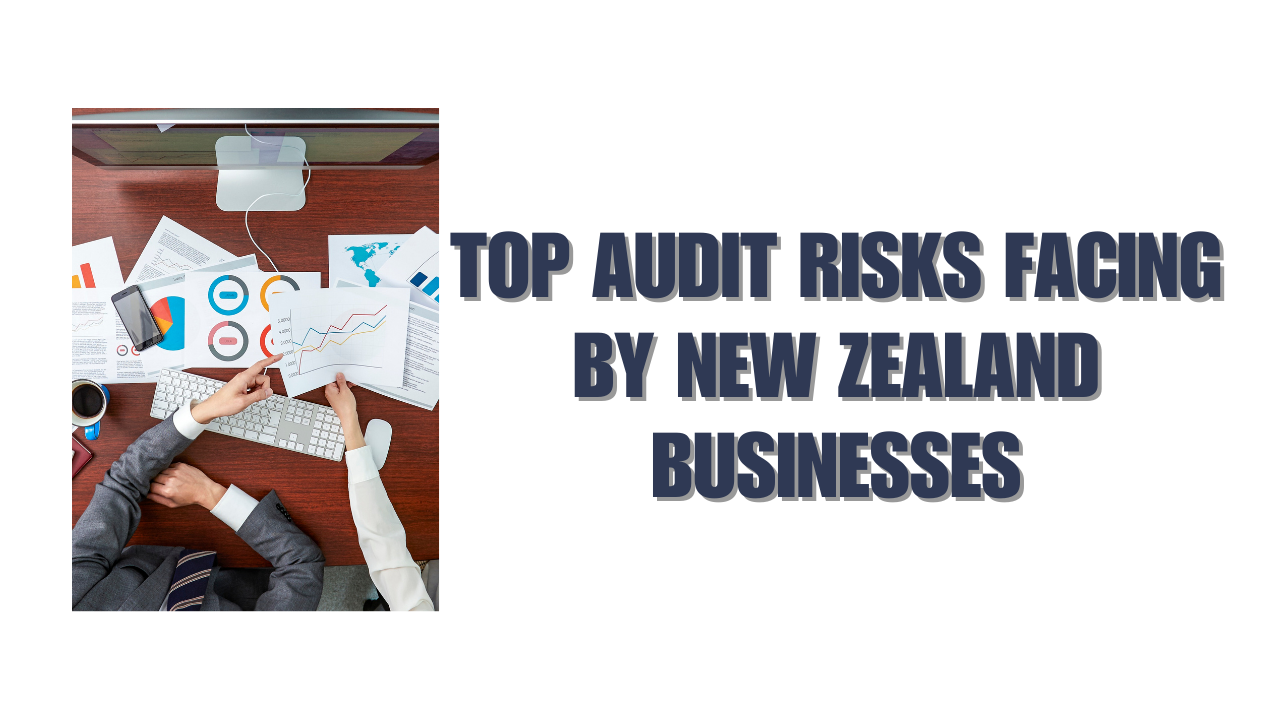
New Zealand businesses face mounting audit compliance risks as global regulatory requirements continue to grow. The country’s strict regulatory systems create persistent challenges for businesses during their auditing process.
The New Zealand Risk Landscape Report warns businesses about cascading risks. A single risk factor can trigger others and create a domino effect. Companies that fail to comply might suffer reputational damage, data breaches, revenue losses, legal consequences, and possible organizational shutdowns. These compliance issues raise serious concerns since fraud is New Zealand’s most prevalent and fastest growing crime type, according to the Government’s Serious Fraud Office.
In this piece, we’ll cover the major audit compliance risks that New Zealand businesses face today. You’ll learn the key differences between risk-based and compliance audits, along with practical guidance for auditors who need to address compliance risks during audits. The text also explores cybercrime threats that continue to pose risks and will likely grow stronger as AI advances.
Key Regulatory and Compliance Risks
New Zealand businesses must adapt to a changing regulatory environment. The Financial Markets Authority (Te Mana Tātai Hokohoko) has stepped up its watchfulness to build trust in New Zealand’s capital markets through better audit quality.
1. Changing audit compliance requirements
The regulatory environment for auditors has altered the map. The Financial Markets Authority has changed its review approach. They now review each licensed audit firm annually instead of every four years. This new intensive oversight strategy starts with the 2023/2024 review cycle.
The introduction of new quality management standards has raised standards for audit firms. These standards match the International Standards on Quality Management. They place stricter requirements on audit firms and make management more accountable.
Appointed auditors who conduct annual audits for the Auditor-General must comply with extra requirements. These relate to audit reporting phrases and consultation procedures. The requirements apply to audits of financial statements and performance information commencing on or after April 1, 2023.
2. Risk-based audit vs compliance audit: what’s the difference?
Both approaches serve different purposes and differ in their focus and methods. A compliance audit looks at how well an organization follows set criteria. It uses a well-laid-out approach like a compliance audit checklist. This method checks if the organization follows all rules and regulations, whatever the risk potentials.
A risk-based audit takes a complete view and focuses on weak spots in business operations. This approach has four main pillars: risk identification, risk assessment, control measures, and continuous monitoring. Compliance audits react to issues, while risk-based audits predict and reduce potential problems before they grow.
3. How should the auditor address compliance risks identified during the audit?
Auditors must take systematic action when they find compliance risks. The audit firm should prepare a remediation plan and conduct a root cause analysis of the findings. They must then assess if the plan addresses the identified issues properly.
The core team might need to refer major breaches to relevant accredited bodies. These bodies further investigate the licensed auditor. The goal is to implement strong data management practices that follow audit standards through clear procedures.
Businesses need proactive compliance management. Regular internal tax compliance reviews, proper documentation of income streams, and good record-keeping systems are essential. Organizations that focus on continuous learning and staff training protect themselves from regulatory violations and prepare better for audits.
Emerging Threats in Fraud and Cybersecurity
New Zealand businesses face mounting audit compliance risks as fraud and cybersecurity threats grow faster than ever. These challenges need quick action and smart solutions.
1. Rise of internal and external fraud
Fraud has become New Zealand’s most prevalent and fastest-growing crime type. It now makes up about 29% of all crimes. Experts point to a perfect storm of financial pressure, workforce changes, and new technology that created this surge.
Past economic downturns show a clear link to increased fraud as people and companies face money problems. In fact, company liquidations in September 2024 jumped 37% higher than last year and 58% more than 2022. Corporate fraud risks have grown along with these economic challenges.
The threats from within are just as worrying. Staff changes and turnover create gaps where fraud goes unnoticed. Organizations must build strong controls to spot suspicious activities, even from trusted team members.
2. Cyber crime and AI-driven attacks
The cyber threat landscape keeps changing, and AI-powered attacks have become a major worry. While AI generates only 6% of cyber breaches now, 28% of New Zealand’s large organizations call them a top threat.
Email phishing leads the pack with 43% of all cyber-attacks. AI makes these attacks harder to catch by creating tailored campaigns that slip past normal security measures.
3. Building a culture of cyber awareness
People make mistakes that lead to security breaches. Reports show 74% of all data and security incidents involve human error. Strong technical controls matter, but teaching people about security matters just as much.
Good awareness programs should do more than yearly training. They need:
- Security campaigns that tackle current threats
- Simple ways to report anything suspicious
- Rewards for catching problems instead of punishment for mistakes
A workplace that makes security everyone’s job turns employees into security champions. Well-trained staff become part of the security team and help stop threats before they cause damage.
Environmental, Geopolitical, and Economic Pressures
New Zealand businesses face critical audit compliance challenges from environmental, geopolitical, and economic factors. These pressures create a complex risk landscape that needs active management strategies.
1. Environmental risks and ESG compliance
About 200 New Zealand entities must now meet mandatory climate-related disclosure requirements. Banks, insurers, and investment managers with assets over NZD 1.71 billion fall under these rules. Note that companies must provide annual climate statements that show how climate change affects their business. On top of that, starting October 2024, companies must get independent assurance for greenhouse gas emissions reporting.
Many organizations struggle with ESG policy adoption as trade patterns keep changing. Trading partners now focus more on protecting domestic industries, which could weaken their climate commitments.
2. Geopolitical instability and supply chain disruption
Geopolitical risks show up in two main ways: disrupted trade and financial market effects. These shocks can limit export market access, create uncertainty, make funding harder to get, and drive down asset prices. New Zealand’s connected economy remains vulnerable to global tensions, despite its remote location.
Companies now deal with multiple supply chain threats from protectionism, conflict, and competition for resources. These problems range from local issues to worldwide distribution network challenges.
3. Economic slowdown and cascading risks
Company liquidations jumped 40% in the first eight months of 2024 compared to 2023. Small businesses struggle with a “cost of doing business” crisis as expenses rise and consumer spending falls. This economic pressure creates a domino effect – fixing one problem often leads to another.
To cite an instance, companies that cut their workforce to save money often lose valuable knowledge and see their control systems weaken. Economic pressure also makes companies more vulnerable to fraud and cyber threats.
People, Talent, and Market Competition
New Zealand businesses face serious audit compliance risks due to the current talent landscape. Quality audits and organizational strength are at risk because of hiring challenges and the struggle to preserve knowledge.
1. Talent shortages and institutional knowledge loss
New Zealand has a severe shortage of audit professionals. Research shows 260 vacant positions across 13 major audit providers. The sector used to bring in about 230 auditors from overseas each year before COVID-19. This shortage led the Financial Markets Authority to extend reporting deadlines temporarily.
Companies struggle with more than just hiring. They lose valuable operational knowledge when experienced workers leave, which makes them more vulnerable to compliance issues. The “silver tsunami” presents a particular challenge. Baby boomers who built much of today’s infrastructure are retiring.
2. Upskilling and workforce planning
Companies need strategic workforce planning now more than ever. Yet only 42% of New Zealand organizations do this regularly. These approaches work well:
- Skills auditing to find gaps and line up development with strategic goals
- Cross-training current staff to keep institutional knowledge
- Setting up digital training academies and specialized AI programs
3. Increased market competition and strategic risk appetite
The economic outlook improves and market competition grows stronger as business leaders take more risks. Companies must move away from compliance-driven approaches. They need more proactive risk strategies that focus on opportunities.
Conclusion
New Zealand businesses grapple with a complex web of audit compliance challenges that require immediate attention and strategic planning. The Financial Markets Authority now reviews each licensed audit firm annually instead of every four years. Quality management standards have become stricter, which substantially raises the accountability bar.
The difference between compliance audits and risk-based audits becomes crucial as organizations guide themselves through these challenges. Compliance audits ensure adherence to specific criteria, while risk-based audits take a proactive approach by identifying vulnerabilities before they become major problems.
Fraud and cybercrime pose constant threats to New Zealand businesses. Fraud accounts for 29% of all crimes committed nationally, which makes it essential for organizations to establish reliable controls that detect suspicious activities. Cybersecurity awareness must go beyond technical solutions and include complete staff training that turns employees from potential vulnerabilities into valuable security assets.
Mandatory climate-related disclosures have added another layer of complexity to environmental compliance requirements. The economic slowdown makes matters worse by creating cascading risks where solving one challenge often creates another.
The biggest problem lies in talent shortages that threaten organizational resilience and audit quality. A critical shortage of audit professionals combined with the “silver tsunami” of retiring experienced workers creates knowledge gaps that weaken compliance efforts.
The path forward requires businesses to change from purely compliance-driven approaches to more proactive risk management strategies. Organizations that invest in regular internal reviews, strong documentation systems, and thorough staff training will be better positioned to withstand scrutiny and adapt to evolving requirements.
Audit compliance risks continue to mount, but businesses that accept new ideas and see these challenges as opportunities for improvement will emerge stronger and more resilient. Success will come to companies that balance regulatory adherence with state-of-the-art solutions, turning potential obstacles into competitive advantages.
FAQs
Q1. What are the main audit risks facing New Zealand businesses?
The primary audit risks include changing regulatory requirements, fraud and cybersecurity threats, environmental and economic pressures, and talent shortages. Businesses must navigate stricter compliance standards, combat increasing fraud rates, address climate-related disclosures, and manage the impacts of economic slowdowns and talent gaps.
Q2. How has the regulatory landscape for audits changed in New Zealand?
The Financial Markets Authority now reviews licensed audit firms annually instead of every four years. New quality management standards have been introduced, raising accountability for audit firms. Additionally, appointed auditors conducting annual audits for the Auditor-General must comply with new requirements for audit reporting and consultation procedures.
Q3. How significant is the threat of fraud and cybercrime to New Zealand businesses?
Fraud has become New Zealand’s most prevalent and fastest-growing crime type, accounting for about 29% of all crimes committed. Cybercrime is also a major concern, with email phishing being the most common attack vector. Small businesses are particularly vulnerable, being the target of nearly half of all cybercrimes in the country.
Content Overview
About the Author: Jonathan Maharaj

Join The Financial Freedom Newsletter
Join Jonathan Maharaj’s Financial Freedom Newsletter and receive practical insights on wealth building, tax strategy, retirement planning, and long-term financial success. Designed for professionals, business owners, and investors who want to make smarter financial decisions.