Did you know businesses lose nearly $100 billion each year to retail shrinkage? The average shrink rate hovers around 1.4% of sales. One effective way to reduce losses and improve business performance is through a retail audit nz.
These shocking numbers show why retail audit NZ procedures have become crucial for businesses to survive. External theft causes 37% of shrinkage, while internal theft accounts for about 29%. On top of that, administrative errors, vendor fraud, and inventory discrepancies add to these worrying losses.
New Zealand retailers feel these numbers directly affect their profits and ability to grow. Many businesses end up raising product prices to make up for shrinkage-related losses, which ultimately affects consumers.
This piece about retail store audits will help you understand what retail audits are, get into common shrinkage risks, and learn the quickest ways to conduct a full retail audit. Your business can avoid preventable losses whether you manage these processes internally or work with specialized retail audit companies.
Understanding Retail Shrinkage and Audit Importance
Retail shrinkage stands as one of the most important challenges modern retailers face, with global losses expected to reach NZD 225.14 billion in 2024, up from NZD 191.03 billion in 2022. Learning about this issue helps maintain profitability and operational efficiency.
What is retail shrinkage?
Retail shrinkage represents the measurable loss of inventory that happens outside of sales. You’ll find a gap between recorded inventory (what your system says you have) and actual inventory (what’s physically available to sell). This difference comes from several sources:
- Employee theft makes up about 29% of total shrinkage
- External theft including shoplifting accounts for approximately 36%
- Administrative and inventory errors contribute up to 18.8%
- Vendor fraud and delivery discrepancies affect the numbers
- Product damage and operational loss impact the bottom line
Retailers want to keep their shrink percentage below 1%, though the average sits around 1.44%. Consistent shrinkage eats into profits, throws off inventory planning, drives up operational costs, and threatens business sustainability in the long run.
Why audits matter in retail operations
Regular audits protect against shrinkage. Retail audits help spot discrepancies, cut down shrinkage, and keep stock levels optimal. This lets businesses make smart decisions about restocking, purchasing, and product placement.
Audits do more than prevent shrinkage – they create opportunities for growth. The data they generate helps identify ways to adjust product assortment and create location-specific marketing strategies. You’ll also stay compliant with safety regulations and labor laws, which reduces the risk of fines or bad publicity.
Stores should run audits throughout the year instead of just once or twice. The type of store and merchandise determines whether you need monthly, weekly, or daily inventory audits.
Retail audit definition and scope
A retail audit gives you a complete evaluation of your retail operations. This systematic inspection looks at multiple retail elements to maintain consistency, find areas needing improvement, and line up store performance with business goals.
These audits usually cover:
- Inventory management and accuracy
- Cash handling procedures
- Merchandising and product placement
- Marketing effectiveness
- Compliance with health and safety standards
- Customer experience assessment
- Employee performance evaluation
Independent experts often conduct these audits to ensure objectivity. After completion, they report their findings with suggestions for improvement, starting with urgent issues first. We focused on using retail audits to save costs, boost sales, and maintain compliance consistently.
Common Shrinkage Risks in Retail Stores
Retail store audits need to identify what causes inventory loss to work well. Retail industry data shows businesses face several major shrinkage risks. These risks need specific audit protocols.
Internal theft and employee fraud
Employee theft makes up about 28.5-29% of all retail shrinkage. The average internal theft costs NZD 3,718.23. This type of theft comes in many forms:
- Direct merchandise theft or “sweethearting” (giving unauthorized discounts to friends/family)
- Skimming from cash registers and creating fraudulent refunds
- Processing fake returns to gift cards they keep for personal use
- Payroll fraud, including creating “ghost” employees
Internal theft hits businesses hard because it goes on for so long. Employee fraud schemes usually run for 18 months before anyone catches them. Staff with access to financial controls or inventory can pull off complex theft schemes that cost more per incident.
External theft and shoplifting
External theft leads the pack in retail shrinkage. It accounts for about 35-36% of yearly losses. The National Retail Federation shows shoplifting case values went up 13% in 2020. Organized retail crime (ORC) has become a game-changer. External theft will cost US retailers over NZD 255.84 billion by 2026.
Shoplifters use tricks like hiding items under clothing, switching price tags, “grab and run” thefts, and return fraud. Violent shoplifting has gone up by nearly 10% over the last several years. This creates safety concerns too.
Administrative and inventory errors
Paper shrink, or administrative errors, cause up to 18.8% of yearly retail shrinkage. These problems come from poor inventory control and human mistakes:
- Miscounts during physical stocktaking
- Data entry mistakes when processing inventory
- Improper storage that damages goods
- Unrecorded product movement between locations
Vendor fraud and delivery discrepancies
Vendor fraud makes up about 5% of total shrinkage. It’s tough to spot when suppliers mess with pricing or goods to boost their profits. You’ll see this fraud show up as:
- Invoice fraud through fake or altered invoices
- Product substitution with inferior or counterfeit materials
- Short-shipping (sending less than ordered)
- Creating artificial shortfalls to inflate prices
Regular retail audits help catch these risks early. This prevents big financial losses that hurt operations and customer experience.
How to Conduct Effective Retail Store Audits
Retail businesses need reliable audit protocols to control inventory discrepancies and keep their finances in check. A well-laid-out system helps catch losses early and prevents them from hurting the bottom line.
Inventory audits: frequency and methods
Business size and risk factors determine how often inventory audits should happen. Large retailers need monthly counts, mid-sized stores should do them quarterly, while small shops can get by with yearly counts. Most retail operations do yearly physical counts at all their stores and count twice yearly at locations with high theft rates. Teams can use different audit methods like physical counts, blind audits (counting without system data), and double-blind audits where two separate teams count independently.
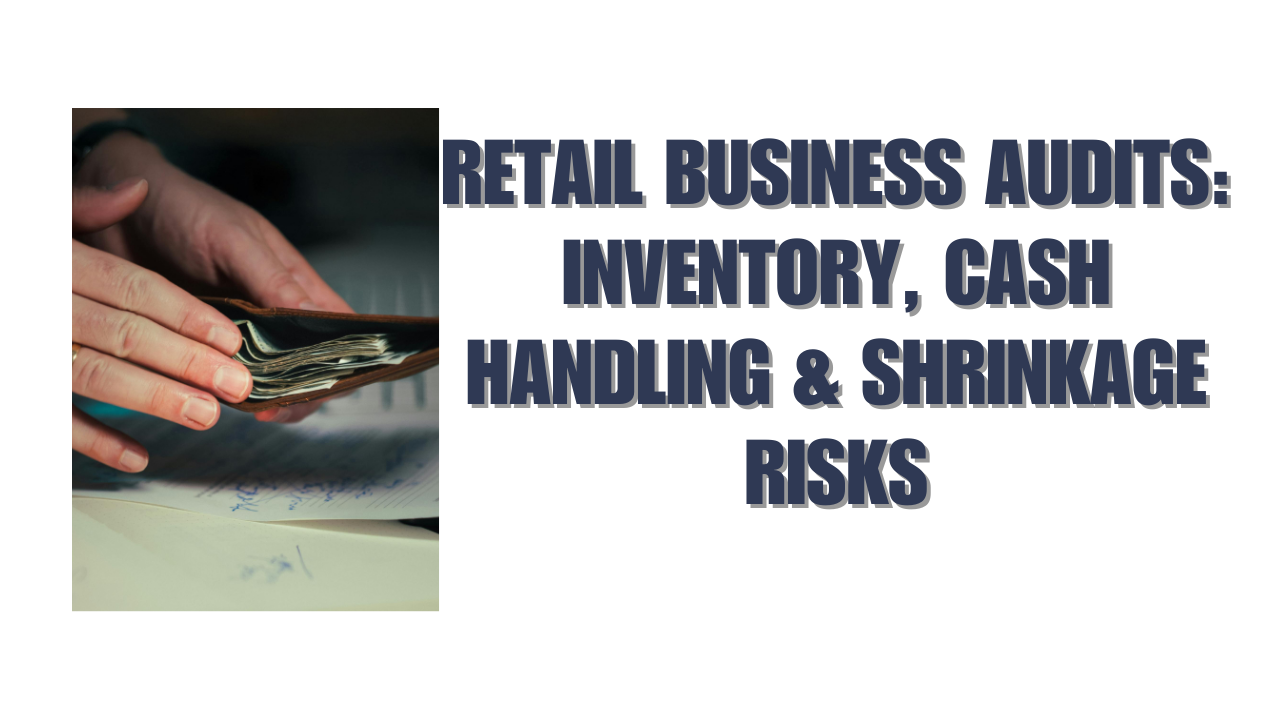
Cash handling audits and reconciliation
Cash handling audits make sure sales match the actual cash in the drawer. Businesses that handle lots of cash need daily reconciliation, while weekly checks are enough for places with fewer cash transactions. Good cash controls include splitting duties between staff, having secure counting spaces, and keeping detailed records of cash movement. These checks catch problems before they show up in financial reports.
Using cycle counts to detect shrinkage
Cycle counting lets you check small amounts of inventory regularly and works better than full physical counts. Every SKU needs at least one cycle count per year, with valuable items getting monthly checks. This method gives you a constant view of accuracy without disrupting daily operations. You can measure how well it works using the inventory cycle count formula (Physical Count ÷ Recorded Count × 100 = Accuracy Rate). Most businesses want to hit at least 97% accuracy.
Role of retail audit companies
Professional audit companies make everything easier with special software that increases efficiency and helps with reporting. They provide mobile inspection tools that make retail audit checklists available to all teams and devices. These companies also train staff on the right procedures and help set clear goals for retail audits.
Technology and Data Tools to Reduce Shrinkage
Modern technology solutions have revolutionized how retailers curb shrinkage through improved visibility and control. Retail businesses can substantially reduce losses by adding these tools to their audit processes.
Using inventory management software
Advanced inventory management systems provide real-time stock visibility, automated notifications for critical thresholds, and efficient auditing. These platforms eliminate administrative errors by automating inventory reconciliation and highlighting discrepancies immediately. Cloud-based systems are especially valuable because they centralize inventory data from multiple locations. This ensures all team members can access the same immediate information.
RFID and barcode tracking systems
RFID technology gives detailed visibility throughout the product lifecycle and reduces administrative errors through automated inventory tracking. Fashion retailer Uniqlo uses RFID to track inventory locations and sales data immediately, which helps resolve discrepancies faster. RFID tags at store exits work with POS data to detect unpurchased items leaving the premises. The system costs between NZD 0.17–8.53 per tag, but RFID has proven to reduce shrinkage by up to 55% and theft by 75%.
POS integration and real-time alerts
POS system integration creates an ecosystem that monitors operations continuously. AI-driven POS analytics can spot unusual transactions like excessive voids or discounts that might indicate employee fraud. Modern systems also send instant alerts when cash drawers open without transactions or when high-risk behaviors occur.
Leveraging data analytics for shrinkage trends
AI and predictive analytics turn scattered data into practical insights by analyzing transaction patterns, operational data, and external factors to predict potential shrink hotspots. Retailers can now prevent future losses instead of just documenting past failures. Machine learning algorithms detect unusual inventory levels or sales patterns that differ from normal trends and provide early warnings about potential theft or errors.
Conclusion
Retail shrinkage poses a major threat to business profitability, with losses projected to reach NZD 225.14 billion globally in 2024. Businesses need thorough retail audit procedures to ensure long-term sustainability. External theft, internal fraud, administrative errors, and vendor discrepancies drain profits that could otherwise stimulate investment and growth.
Regular audits protect against these preventable losses. Businesses should set up audit schedules based on their size, risk profile, and inventory value. High-risk or high-value items need more frequent checks through targeted cycle counts. Detailed physical inventories help measure baseline accuracy.
Cash handling protocols need careful review during retail audits. Daily reconciliation helps spot discrepancies before they turn into major financial problems. Staff members should have separate duties during cash management to reduce internal theft risks that might go unnoticed.
Technology has without doubt reshaped how retailers handle loss prevention. RFID systems, integrated POS solutions, and inventory management software create immediate visibility that exposes theft and errors quickly. On top of that, it helps predict unusual patterns before major losses occur, which moves operations from reactive to proactive approaches.
Professional audit partners offer specialized expertise and objectivity that in-house teams might not have. These strategic collaborations let your staff concentrate on core business operations while keeping audit processes thorough and consistent across locations.
Reducing shrinkage protects your bottom line. Retail audits need time and resources, but they ended up protecting profit margins, optimizing inventory levels, and improving operational efficiency. Companies with resilient audit protocols position themselves better for growth in today’s competitive retail market.
FAQs
Q1. What are the main causes of retail shrinkage?
The primary causes of retail shrinkage include external theft (shoplifting), internal theft (employee fraud), administrative errors, vendor fraud, and operational losses such as damaged goods. External theft is the largest contributor, accounting for about 35-36% of annual losses.
Q2. How often should retail businesses conduct inventory audits?
The frequency of inventory audits depends on the business size and risk factors. High-volume retailers should conduct monthly counts, medium-sized operations quarterly, and smaller stores annually. Most retailers perform annual physical counts in all locations and twice yearly at high-shrink sites.
Q3. What role does technology play in reducing retail shrinkage?
Technology plays a crucial role in combating shrinkage. Inventory management software provides real-time stock visibility, RFID and barcode tracking systems enhance product traceability, and POS integration with real-time alerts can flag suspicious activities. Data analytics tools can also identify shrinkage trends and predict potential loss areas.
Content Overview
About the Author: Jonathan Maharaj

Join The Financial Freedom Newsletter
Join Jonathan Maharaj’s Financial Freedom Newsletter and receive practical insights on wealth building, tax strategy, retirement planning, and long-term financial success. Designed for professionals, business owners, and investors who want to make smarter financial decisions.