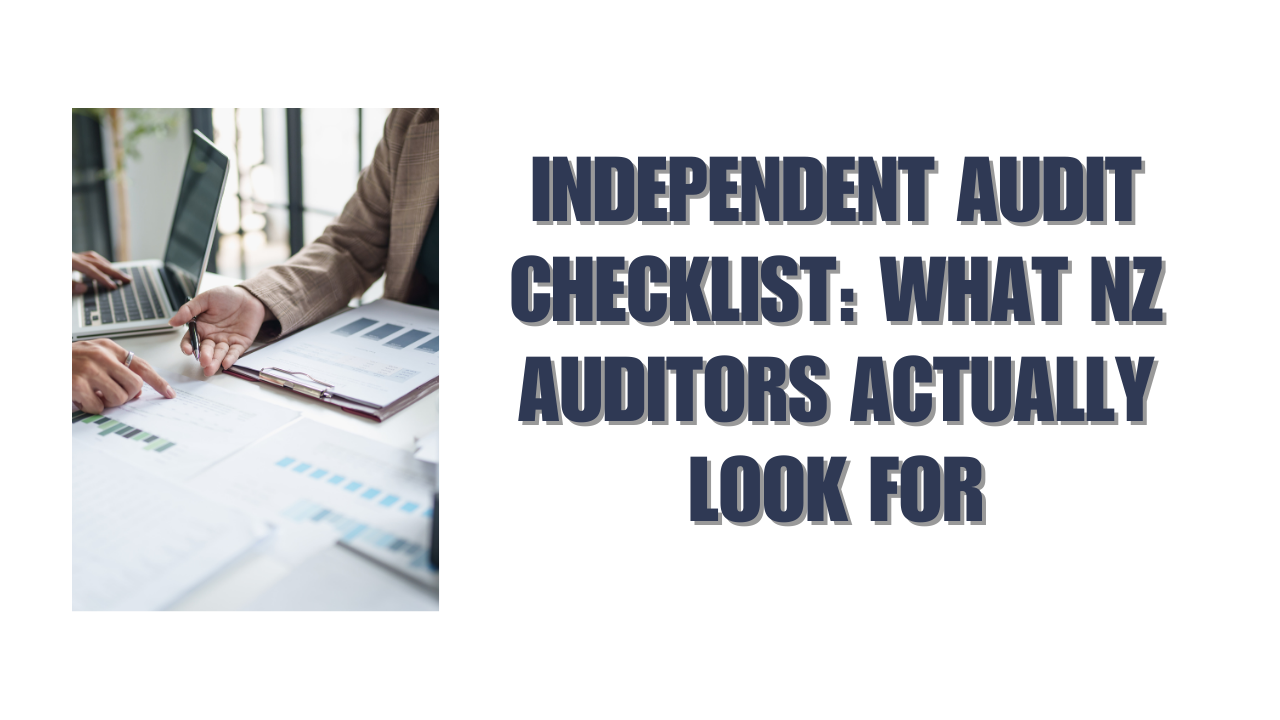
Ready to face your next independent review? The AML/CFT Act makes it mandatory for reporting entities to complete an independent audit every two years. Cabinet has agreed to stretch this timeline to three years.
NZ auditors’ requirements are crucial for organizations to understand. Professional auditors make sure financial statements and service performance information don’t have material misstatements from fraud or error. The Public Audit Act 2001 sets standards that go beyond basic requirements, especially when you have independence concerns. This is a big deal as it means that everyone working for the Auditor-General needs to be independent and appear independent too.
This piece walks you through what NZ auditors look for during independent audits. You’ll learn what they check and what they skip, despite what many think. We’ve included a practical checklist to help you get ready. Understanding these requirements will help you breeze through your audit with minimal business disruptions.
What NZ Auditors Actually Look For in an Independent Audit
Independent audits in New Zealand do more than just check compliance. My work with registered auditors NZ shows they focus on five critical areas that might surprise you.
Financial statement accuracy and completeness
NZ auditors check if your financial statements have any material misstatements. They take samples of transactions and review evidence behind item valuations. They also make sure account balances are complete, exist, and show your organization’s true financial position.
Service performance reporting and delivery metrics
Auditors don’t just look at numbers – they review the evidence supporting your service performance information. This non-financial data helps with accountability and decision-making while telling your organization’s story. They make sure performance metrics make sense and can be verified over time. The team looks for both numbers and stories that show how well you’ve met your goals.
Internal controls over public funds and approvals
Your internal control environment needs to catch material misstatements before they happen. Auditors review the systems you use to spend, approve, and collect public money. They check if these controls work well throughout the financial year. The core team also ensures proper separation exists between governance and management roles.
Sensitive expenditure and procurement practices
Staff, family, or friends getting private benefits from spending raises red flags. Auditors need to see clear policies about allowed expenses, approval steps, spending limits, and how you track it all. Even small amounts can be problematic if they don’t look right.
Evidence behind key assumptions and estimates
Auditors inspect accounting estimates which involve selecting methods, using assumptions, and applying judgment. They need proof that material assumptions make sense and have proper documentation. The team also wants to see how changes in these assumptions might affect your financial results.
These focus areas help you prepare better for your next audit. The process becomes smoother when you know what to expect.
What Auditors Don’t Check (But You Might Think They Do)
People often misunderstand what certified auditors actually do. You need to know these limitations to work better with your audit team.
Fraud detection isn’t the main goal
Most people think auditors are fraud detectives, but this belief misses the mark. Auditors stay professionally skeptical while they work, but their job focuses on making sure financial statements have no major errors – not finding every possible fraud scheme. Registered auditors NZ must think about fraud risks when they plan, but they don’t specifically hunt for wrongdoing unless something seems off.
Auditors check samples, not everything
Auditors rely on sampling techniques instead of going through every single transaction. This lets them assess financial statements by testing representative samples. Risk assessments, materiality judgments, and your internal controls’ strength determine how they pick these samples. A clean audit opinion doesn’t mean every transaction is perfect.
Financial statements aren’t their job
Many believe auditors will create their financial statements. The truth is that management must prepare these documents according to reporting standards. Auditors step in later to give their independent opinion on the statements you’ve prepared. This clear separation helps them stay independent and objective.
They work with you, not against you
Auditors aren’t your enemies or temporary bosses. They don’t fight your team or take over management’s role. They collaborate while keeping professional boundaries. The best partnerships between auditors and clients come from mutual respect, not opposition. Both sides want quality financial reporting, even though they play different parts in achieving it.
When you understand these limitations, you can set realistic expectations for your next audit and build a more productive relationship with your audit team.
The Independent Audit Checklist for NZ Entities
A well-prepared checklist before your audit can save you time and money. My work with auditors throughout New Zealand has shown what they really look for:
1. Are your financial statements GAAP-compliant?
Organizations with statutory reporting obligations need financial statements that comply with Generally Accepted Accounting Practice (GAAP). Your notes should clearly state compliance with NZ IFRS and follow all requirements for recognition, measurement, presentation, and disclosure in transactions. GAAP helps measure financial performance and creates standardized reporting.
2. Is your service performance information verifiable?
Your service performance information needs to appear with financial statements. The information should be relevant, faithfully represented, understandable, timely, comparable, and verifiable. Auditors will check if this non-financial information tells your organization’s story effectively while matching previous reporting periods.
3. Are internal controls documented and tested?
Government entities need internal controls that provide reasonable assurance about financial reporting integrity. The board should oversee these control systems through audit and risk committees that have clear responsibilities. Your documentation must show how duties are separated between governance and management roles.
4. Are sensitive expenditures justified and recorded?
Staff expenses that might provide private benefits need extra scrutiny. Small amounts can raise red flags if they seem improper. Your policies should cover approval processes, spending limits, and monitoring systems. These guidelines help your expenditure stand up to parliamentary and public scrutiny.
5. Are estimates backed by reasonable assumptions?
Auditors will assess if your accounting estimates make sense. They’ll look at documents that support your methods, assumptions, and inputs. You need detailed records of all relevant facts and circumstances for forecasted cash flows.
6. Are all required disclosures included?
Financial statements must show statutory basis, reporting framework, and NZ GAAP compliance. You need going concern disclosures when material uncertainties exist. Audit and non-audit services from your audit firm should have proper categorization in fee disclosures.
7. Are governance and risk management practices in place?
Good governance promotes long-term sustainability, better decision-making, systematic risk management, and compliance. Your board reports should include a risk register that highlights key performance risks. Investors and stakeholders should have easy access to these documents.
8. Is your audit file ready for sampling and walkthroughs?
Your documentation should help experienced auditors understand the work without prior knowledge. Include details about tested items, who did the work, review dates, and records of important discussions. Auditors use samples instead of checking every transaction.
How to Prepare for a Smooth Audit Process
Good preparation can make the difference between a difficult audit and a productive one. Here are practical steps to help you streamline your next meeting with auditors NZ.
Assign a liaison for the audit team
A primary contact person helps the audit process run smoothly. This person bridges the gap between registered auditors and your organization. Your liaison should know your financial processes and have the authority to work with different departments. They organize meetings, direct questions to the right team members, and make sure document requests get handled quickly.
Prepare documentation ahead of time
Getting key documents ready before certified auditors arrive saves time. Auditors need financial statements with supporting documentation that clearly show transactions for each balance. Strong variance explanations that compare current results with previous years and budgeted figures add value. The materials should be organized so auditors can find what they need easily.
Review prior audit findings and address gaps
Looking at previous audit reports shows your dedication to getting better. Auditors like to see that you’ve put their earlier recommendations into practice. Create action plans that show how you’ve fixed previous issues and tracked the improvements.
Ensure access to systems and data
Today’s audits need digital access more than ever. You might want to use secure file-sharing platforms that give live updates on document requests. These systems let you see what’s been requested, who needs to handle it, and when it’s due. Data privacy stays the top priority throughout this process.
Communicate timelines and availability
Early talks about scheduling help avoid delays. The core team should be available during vital audit phases. Staff absences or turnover can affect audit completion by a lot. Setting clear expectations about timeframes helps everyone plan better.
Conclusion
New Zealand organizations find independent audits a major task. But knowing what auditors look for makes the whole process easier to handle. This piece walks you through the most important areas auditors check – from financial statement accuracy to internal controls and sensitive expenditure practices.
Your audit experience becomes smooth when you prepare well. A dedicated liaison, ready documentation, and fixed previous audit findings can turn a dreaded process into a chance to improve your business.
Organizations often misunderstand what auditors do. They don’t catch all fraud, check every transaction, create financial statements, or manage your team. Clear expectations lead to better working relationships with auditors.
Our checklist gives you a practical way to get ready for audits. It shows eight key areas where NZ auditors spend their time. Your team can organize evidence step by step instead of rushing when auditors show up.
Independent audits give you more than just compliance. They help build stronger financial controls and boost stakeholder trust. Now that you know what auditors want to see, your organization can handle its next independent audit with confidence.
FAQs
Q1. What are the main areas that NZ auditors focus on during an independent audit?
NZ auditors primarily examine financial statement accuracy, service performance reporting, internal controls over public funds, sensitive expenditure practices, and the evidence behind key assumptions and estimates.
Q2. Do auditors check every single transaction during an audit?
No, auditors don’t review every transaction. They use sampling techniques to test representative transactions and form an opinion on the financial statements as a whole.
Q3. Are auditors responsible for preparing financial statements?
No, auditors do not prepare financial statements. This is the responsibility of the organization’s management. Auditors provide an independent opinion on the statements after they’ve been prepared.
Q4. What should organizations do to prepare for a smooth audit process?
To prepare for a smooth audit, organizations should assign a liaison for the audit team, prepare documentation ahead of time, review prior audit findings, ensure access to systems and data, and communicate timelines and availability clearly.
Content Overview
About the Author: Jonathan Maharaj

Join The Financial Freedom Newsletter
Join Jonathan Maharaj’s Financial Freedom Newsletter and receive practical insights on wealth building, tax strategy, retirement planning, and long-term financial success. Designed for professionals, business owners, and investors who want to make smarter financial decisions.