Nonprofit financial audits are more than just a compliance formality. They build public trust, internal accountability, and external credibility powerfully.
Transparency has become essential in today’s nonprofit world. Your donor community, grant agencies, and the IRS expect to see everything your nonprofit does out in the open. Donors need to know you use their contributions to further your mission effectively. Financial transparency helps you earn and keep their trust.
Many states require charitable organizations to submit audited financial statements when public contributions or revenue cross certain thresholds. Strong auditing systems protect integrity and transparency while making sure your operations stay accountable. This is a big deal as it means that the impact of financial audits on governance practices goes beyond meeting basic requirements.
Many funders won’t give money without an audit. You need to understand financial audit requirements not just to comply, but to show how well your organization achieves its mission.
Let us walk you through a step-by-step process to conduct thorough nonprofit financial audits. These audits will satisfy regulatory requirements, build unshakable donor trust, and strengthen your organization’s governance.
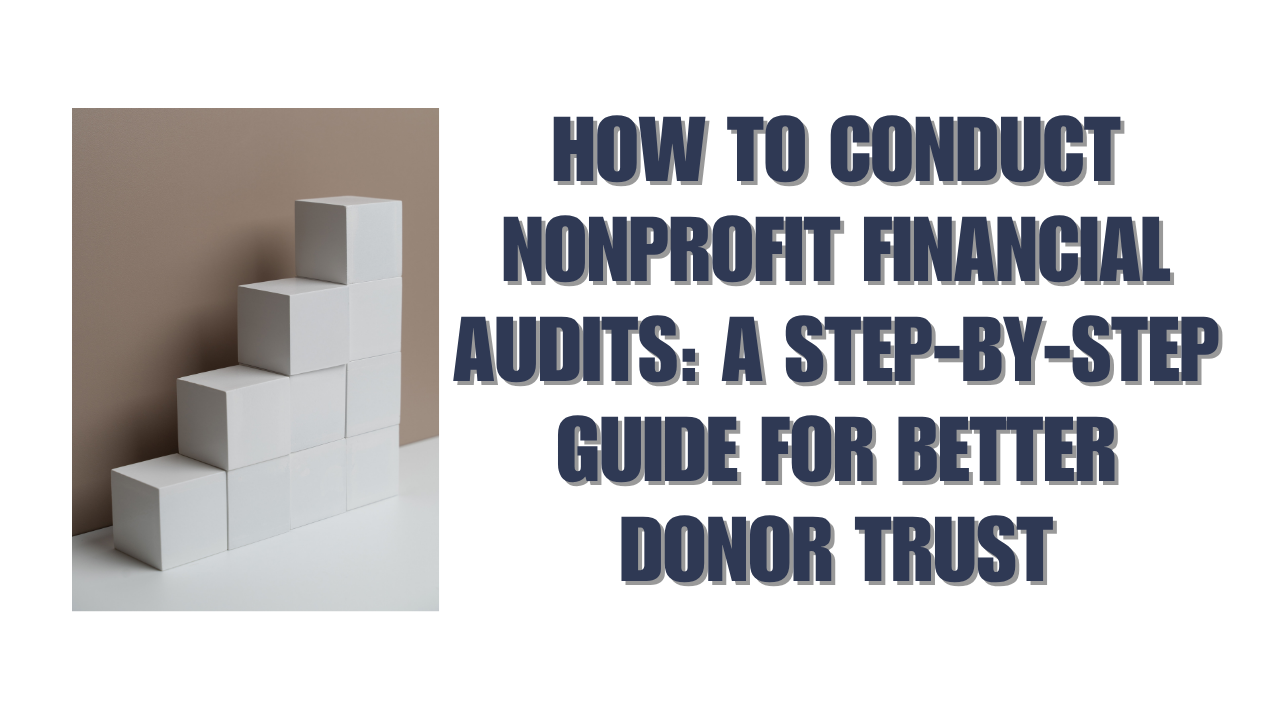
Step-by-Step Audit Process for Nonprofits
Financial audits help nonprofits stay transparent and build trust with stakeholders. Here’s a step-by-step guide to get it done right:
Step 1: Determine if an audit is required Your nonprofit needs an audit if federal funding exceeds NZD 1,279,207.70 per year or crosses state limits (usually NZD 852,805.13). Many organizations choose to get audited even when not required. This shows their commitment to transparency and helps secure grants.
Step 2: Select a qualified auditor Start by creating an audit committee to assess potential auditors. You’ll need CPAs who know nonprofit work and understand the sector’s accounting standards. Get proposals from several firms and check their track record. Don’t forget to verify their licensing status in your state.
Step 3: Prepare documentation Getting organized is a vital part of the process. You’ll need financial statements, bank reconciliations, grant agreements, board meeting minutes, financial policies, and internal control documents. Creating digital folders with everything auditors might need will save time and money.
Step 4: Conduct the audit Auditors will:
- Assess financial records for compliance with accounting standards
- Review internal controls
- Verify transactions through random sampling
- Test revenue and expense records
- Confirm regulatory compliance
Step 5: Review and implement recommendations The audit report needs a full review with your board. You should develop an action plan that addresses any problems the audit reveals.
How Audits Improve Transparency and Donor Trust
Trust builds on transparency in the nonprofit world. Donors who support your organization need proof that their money creates a real difference.
Nonprofit financial audits provide this assurance through independent verification. Organizations build donor confidence through transparent financial practices and verified financial statements that show responsible fund management. External audits add credibility because outside professionals verify the information.
True transparency goes beyond numbers – it includes your mission, challenges, and operational processes. Your nonprofit creates an authentic story that strikes a chord with supporters by sharing both wins and struggles openly.
Larger charities should set up audit oversight committees to work effectively. These committees select independent accountants and oversee financial documentation. Your organization should rotate audit teams every three to five years to maintain objectivity and strengthen the effect of financial audits on governance practices.
These benefits reach far beyond donor relationships. Audits rarely catch fraud directly, but they create accountability that prevents mismanagement. Plus, transparent reporting helps nonprofit leaders make smart decisions about resources and planning.
Financial audit requirements for nonprofits serve two key purposes – they meet regulatory rules and build the trust needed for long-term success.
Strengthening Governance Through Financial Audits
Financial audits revolutionize nonprofit governance in ways that go way beyond the reach and influence of simple compliance checks. Research shows that audited organizations put in place crucial governance measures like conflict-of-interest policies, whistleblower protections, and proper CEO compensation approval processes.
A board of directors takes charge of audit oversight unless an audit committee handles this responsibility. This smaller committee knows how to manage the independent audit process well. They select and evaluate auditors while making sure their recommendations get implemented. These audits then create real governance improvements, which reduce nepotism and create fairer CEO-to-employee pay ratios.
Audit benefits grow significantly when dedicated audit committees take charge, organizations maintain independent boards, and there’s high charity-level oversight. The audit committee’s presentation of findings helps the full board understand recommendations before they accept the report.
Yes, it is true that audit readiness has grown from a simple compliance task into a strategic must-have for strong governance. Organizations with reliable audit systems catch fraud more effectively, maintain ethical conduct, and stay legally compliant through regular internal reviews.
Audit committees’ independence from management is remarkable as it provides unbiased analysis of financial health. Boards should see auditors as governance allies who work together to improve financial integrity and use audit insights as tools to boost organizational accountability.
Conclusion
Financial audits do more than check regulatory boxes for nonprofit organizations. They serve as powerful tools that build donor confidence, strengthen operational accountability, and boost overall governance practices. Nonprofits can direct their way through audit requirements while showing their dedication to financial transparency by following the five-step audit process above.
Regular audits create an environment of accountability that gives supporters confidence about their contributions’ meaningful effects. This open approach builds stronger relationships with donors and opens new funding opportunities. Organizations that verify their financial practices through independent examination earn their donors’ trust quickly.
The governance advantages make a real difference. Audit processes drive improvements in conflict-of-interest policies, whistleblower protections, and fair compensation practices. Organizations thrive when their boards treat audits as strategic collaborations rather than viewing them as work to be done.
Nonprofit financial audits prove to be a smart investment. The returns substantially outweigh the time and resources they need – from boosted credibility to improved governance and deeper donor trust. Nonprofit leaders should see financial audits as valuable chances to show their steadfast dedication to fulfilling their mission and managing resources responsibly. Financial transparency paves the way to donor trust, with thorough audits lighting the path ahead.
FAQs
Q1. What are the key steps in conducting a nonprofit financial audit?
A nonprofit financial audit typically involves planning, fieldwork, and reporting. The process includes assessing risks, examining financial records and internal controls, and issuing an opinion on the accuracy and compliance of financial statements.
Q2. How does a financial audit benefit nonprofit organizations?
Financial audits enhance transparency, build donor trust, and strengthen governance practices. They demonstrate responsible fund management, improve internal accountability, and often lead to better policies and practices within the organization.
Q3. Are financial audits mandatory for all nonprofits?
Not all nonprofits are required to conduct audits. Requirements often depend on the organization’s annual revenue or the amount of federal funding received. However, many nonprofits choose to conduct audits voluntarily to enhance credibility and meet funder requirements.
Q4. What role does the board of directors play in the audit process?
The board of directors is primarily responsible for audit oversight. They may delegate this responsibility to an audit committee, which oversees the independent audit process, selects auditors, and ensures implementation of audit recommendations.
Q5. How can nonprofits prepare for a financial audit?
To prepare for an audit, nonprofits should gather all relevant financial documents, including statements, bank reconciliations, and grant agreements. They should also review internal controls, organize board meeting minutes, and compile written financial policies. Creating an electronic folder with all necessary documents can streamline the process.
Content Overview
About the Author: Jonathan Maharaj

Join The Financial Freedom Newsletter
Join Jonathan Maharaj’s Financial Freedom Newsletter and receive practical insights on wealth building, tax strategy, retirement planning, and long-term financial success. Designed for professionals, business owners, and investors who want to make smarter financial decisions.