Businesses need to make decisions about the future even when the future is uncertain. Whether it is planning for growth, managing cash flow, hiring employees or considering a major investment, having a clear view of potential financial outcomes can make decision-making more informed.
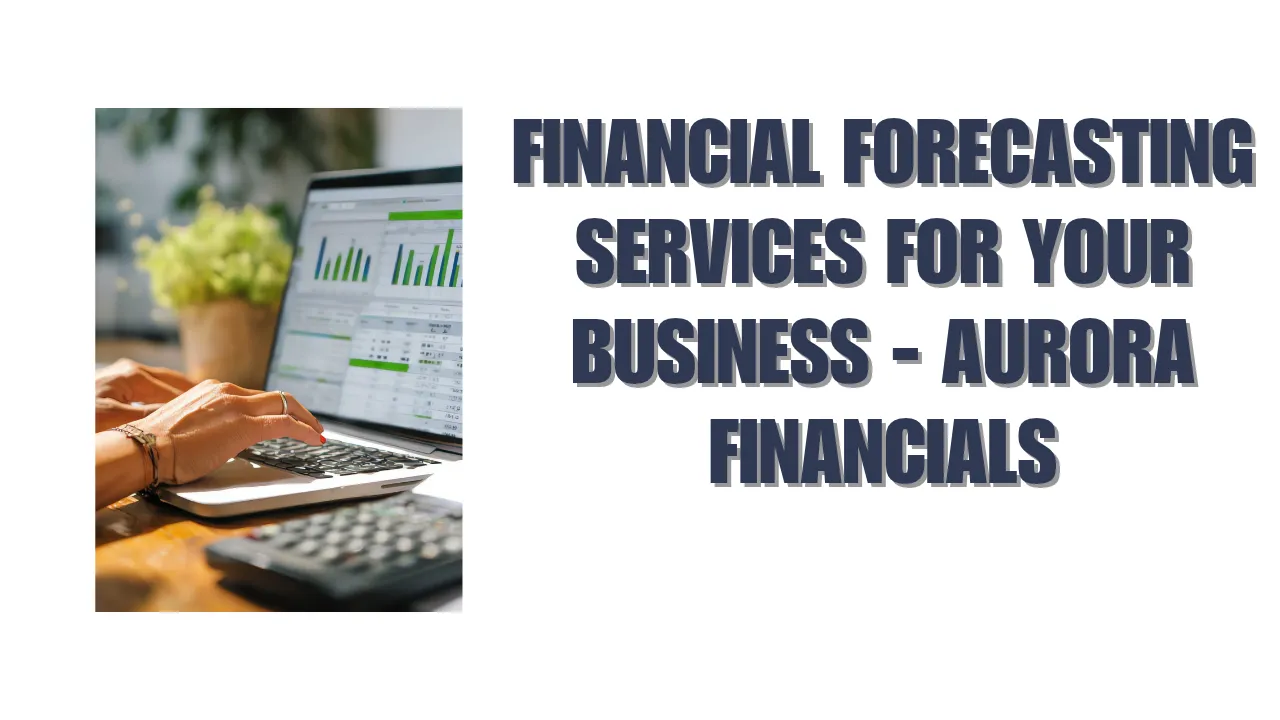
Financial forecasting services help businesses estimate future revenue, expenses, cash flow and financial performance using available financial information and reasonable assumptions.
Forecasting is not about predicting the future with complete certainty. Instead, it provides a structured way for businesses to assess potential outcomes, identify risks and prepare for different scenarios.
For businesses in New Zealand, financial forecasting can be particularly useful when managing growth, seasonal changes, funding requirements and changing operating costs.
What Are Financial Forecasting Services?
Financial forecasting involves estimating a business’s future financial performance based on historical information, current conditions and expected changes.
A forecast may examine areas such as:
- Revenue
- Operating expenses
- Profitability
- Cash flow
- Working capital
- Capital expenditure
- Funding requirements
- Future financial position
Business.govt.nz describes a forecast as an informed estimate of future business costs and income. Cash flow forecasting can help businesses stay on top of income and outgoings, plan ahead and have better discussions with banks or advisers.
Professional financial forecasting services can help businesses develop, review and interpret these forecasts so that financial information becomes useful for planning and decision-making.
Why Is Financial Forecasting Important?
Historical financial statements show what has already happened. Forecasting adds a forward-looking perspective.
A business may have strong revenue today but face higher costs in the coming months. Alternatively, a company may be preparing for expansion and need to understand how additional investment could affect cash flow.
A forecast can help management identify these potential changes before making major decisions.
Financial forecasting can support businesses by helping them:
- Plan future spending
- Identify potential cash shortages
- Prepare for growth
- Assess funding requirements
- Monitor financial performance
- Evaluate business opportunities
- Prepare for different scenarios
Business.govt.nz recommends using financial forecasting and modelling when assessing future projects, markets, equipment purchases and investment decisions.
Cash Flow Forecasting
Cash flow forecasting is one of the most common forms of financial forecasting.
A cash flow forecast estimates how much money is expected to come into and leave the business over a particular period.
It can include:
- Expected customer payments
- Other sources of income
- Supplier payments
- Wages and salaries
- Rent and other operating costs
- Tax payments
- Loan repayments
- Capital expenditure
The forecast can then show the expected closing cash position.
This is useful because profitability and cash availability are not always the same. A profitable business can still experience cash flow pressure if customers take longer to pay or significant expenses become due at the same time.
Revenue Forecasting
Estimating future revenue is an important part of financial planning.
Businesses can use historical sales information, customer trends, seasonal patterns and current business conditions to develop revenue assumptions.
For established businesses, previous financial performance can provide useful information. For newer businesses, forecasting may require greater reliance on market research, industry benchmarks and other available information.
Business.govt.nz recommends considering different income scenarios rather than relying exclusively on an optimistic estimate.
Developing realistic, pessimistic and optimistic scenarios can help management understand how the business might perform under different conditions.
Expense Forecasting
Forecasting should consider both fixed and variable expenses.
Fixed costs may include expenses such as rent, salaries or insurance, while variable costs may change depending on sales or production levels.
Businesses should also account for less frequent expenses and expected changes in costs.
For example, a business planning to hire additional employees needs to consider not only salaries but also the broader costs associated with employing additional staff.
Accurate expense forecasting can help prevent businesses from underestimating the resources required to support future plans.
Financial Forecasting for Business Growth
Growth can create additional financial requirements.
A business may need to purchase equipment, increase inventory, hire employees, invest in marketing or secure additional premises before the expected benefits of growth are realised.
Financial forecasting can help management estimate these requirements and assess whether the business has sufficient financial resources to support its plans.
Financial models can then be used to test different assumptions and evaluate potential outcomes.
This can make expansion decisions more structured and reduce reliance on guesswork.
Scenario Planning and Financial Modelling
One of the advantages of financial forecasting is the ability to test different scenarios.
For example, a business could develop forecasts based on:
Conservative growth: Revenue grows more slowly than expected while costs remain relatively high.
Expected growth: Revenue and costs follow the business’s most realistic assumptions.
Strong growth: Revenue increases faster than expected but requires additional investment and operating capacity.
Comparing scenarios can help management understand how sensitive the business is to changes in revenue, costs and other assumptions.
Business.govt.nz notes that financial modelling can help businesses assess whether projects make financial sense and understand future cash flow requirements.
Financial Forecasting for Funding Decisions
Financial forecasts can also be useful when a business is considering external funding.
Lenders and investors may want to understand how a business expects to perform and whether it has the capacity to manage additional financial commitments.
A well-prepared forecast can help demonstrate that management has considered expected income, expenses, cash flow and potential risks.
Business.govt.nz notes that cash flow forecasts can be used to build a case for funding or investment and to make informed decisions about borrowing.
The forecast should be based on realistic assumptions rather than being designed simply to produce a favourable outcome.
Monitoring Forecasts Against Actual Results
Creating a forecast is only the beginning.
Businesses should compare forecast figures with actual financial results as new information becomes available. Significant differences can indicate that assumptions need to be reconsidered.
For example, if actual sales consistently fall below forecasts, management may need to revise future revenue expectations.
Similarly, unexpectedly high costs may require adjustments to spending plans.
Regular monitoring can therefore make forecasting a continuous management process rather than a one-time exercise.
When Should a Business Use Financial Forecasting Services?
Financial forecasting can be valuable at different stages of a business.
Businesses may seek forecasting support when they are:
- Planning expansion
- Managing cash flow
- Preparing a business budget
- Considering new funding
- Hiring additional employees
- Launching a product or service
- Evaluating a major investment
- Reviewing profitability
- Preparing for seasonal changes
- Assessing different business strategies
Businesses experiencing financial pressure can also benefit from accurate forecasting. Business.govt.nz identifies cash flow forecasting as an important way to anticipate shortages and plan for financial challenges.
Choosing Financial Forecasting Services
When selecting a financial forecasting provider, businesses should consider the consultant’s experience, financial expertise and understanding of the organisation’s industry.
It is also important to understand what the service includes.
Some providers may focus primarily on cash flow forecasts, while others can provide broader financial modelling, budgeting, scenario analysis and strategic financial planning.
The quality of a forecast ultimately depends on both the underlying financial information and the assumptions used. A good forecasting process should therefore be transparent about its assumptions and explain how different variables could affect the results.
Financial Forecasting vs Financial Modelling
Financial forecasting and financial modelling are closely related but are not exactly the same.
Financial forecasting estimates future financial performance based on current information and assumptions.
Financial modelling uses financial data and formulas to examine how different variables and scenarios could affect the business.
A forecast can therefore form the foundation of a broader financial model.
Businesses may use both when making significant decisions about growth, investment, funding or operational changes.
How Aurora Financials Can Help
Aurora Financials can help businesses develop greater visibility over their future financial position through structured forecasting and financial analysis.
Financial forecasting services can help management understand expected revenue, costs and cash flow while assessing different scenarios and potential risks.
Whether the objective is planning growth, improving cash flow visibility, evaluating an investment or preparing for future financial requirements, a reliable forecast can provide a stronger basis for decision-making.
Aurora Financials takes a practical approach to financial information, helping businesses turn financial data into useful insights for planning and strategy.
Final Thoughts
Financial forecasting gives businesses a way to look beyond historical financial results and consider what could happen next.
From cash flow and revenue forecasting to expense planning, scenario analysis and financial modelling, forecasting can support better decisions across many areas of business management.
A forecast cannot eliminate uncertainty, but it can help businesses prepare for it.
For New Zealand businesses, using financial forecasting services can provide greater financial visibility, support strategic planning and help management make decisions with a clearer understanding of potential future outcomes.
FAQs
What are financial forecasting services?
Financial forecasting services help businesses estimate future revenue, expenses, cash flow and financial performance using historical information, current conditions and future assumptions.
Why is financial forecasting important?
Forecasting helps businesses plan ahead, identify potential cash flow problems, assess funding requirements and make more informed decisions about future activities.
What is included in a financial forecast?
Depending on the business, a forecast may include revenue, expenses, cash flow, profitability, working capital, capital expenditure and funding requirements.
How often should a business update its financial forecast?
The appropriate frequency depends on the business. Businesses experiencing rapid changes or cash flow pressure may benefit from more frequent updates, while others may review forecasts as part of their regular financial planning process.
Can financial forecasting help with business growth?
Yes. Forecasting can help businesses estimate the financial requirements of expansion, assess potential scenarios and determine whether available resources are sufficient to support growth.
Content Overview
About the Author: Ashidha

Join The Financial Freedom Newsletter
Join Jonathan Maharaj’s Financial Freedom Newsletter and receive practical insights on wealth building, tax strategy, retirement planning, and long-term financial success. Designed for professionals, business owners, and investors who want to make smarter financial decisions.