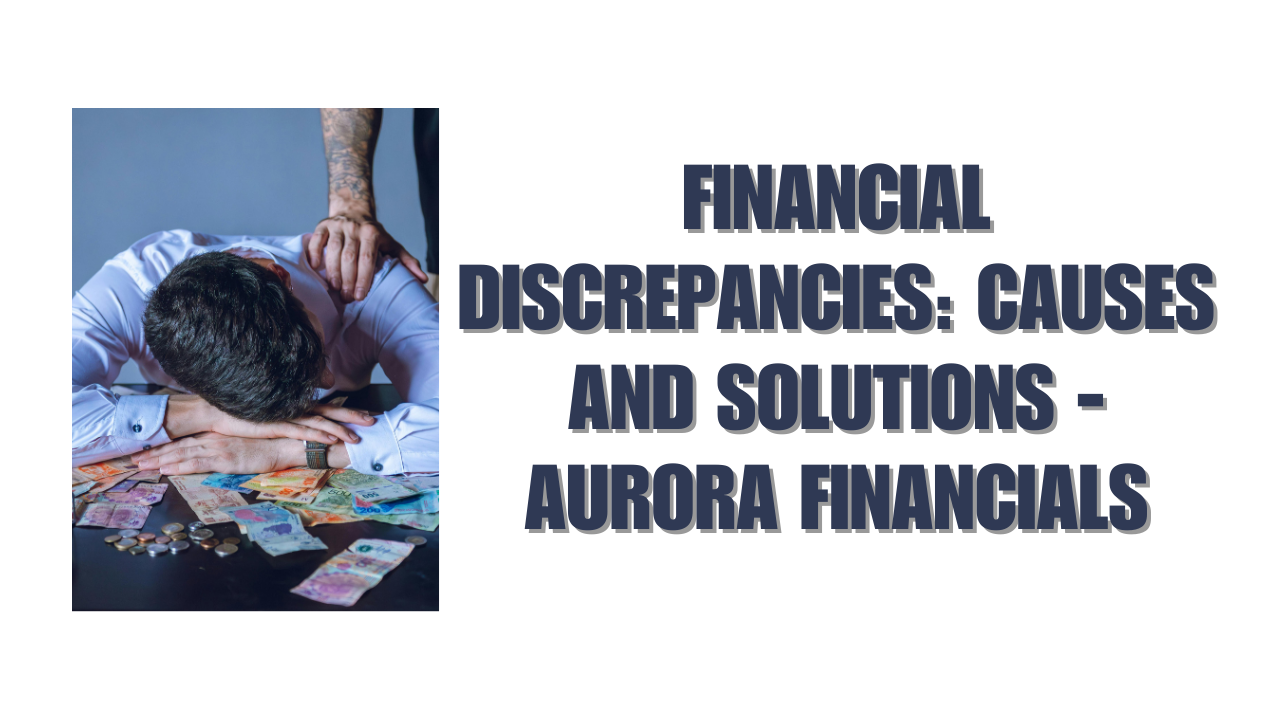
Financial discrepancies can lead to severe consequences. The Centro case demonstrates this reality where directors missed $2 billion in current liabilities that were wrongly classified as non-current. Their failure to verify these figures resulted in breaching the Corporations Act 2001. Understanding how financial discrepancies arise and can be detected is crucial for compliance and risk mitigation.
Financial discrepancies often reveal warning signs in a company’s reports. A cash flow from operations to net income ratio that stays below one raises immediate red flags. Cash flow patterns that seem out of place might point to deeper problems with expense management and budget planning.
This piece outlines practical steps to spot potential problems in management reports. You’ll learn about critical review areas, warning signs to watch for, and questions that need answers. New Zealand board members must understand these indicators to achieve their governance responsibilities.
Aurora Financials helps New Zealand boards traverse these complex financial waters. Let us show you how to enhance your financial oversight skills and shield your organization from reporting risks.
Understanding Financial Discrepancies in Board Reports
Board members face financial discrepancies more often than most people think. The organization’s long-term sustainability depends on how well these irregularities are understood as part of core governance duties.
What Financial Discrepancies Mean in Practice
Financial discrepancies are red flags that need the board’s immediate attention. These inconsistencies show up when reported financial information doesn’t match the organization’s actual position. Research shows that providing financial information for decision-making forms the primary purpose of any finance function. Poor quality or delayed financial data leads to decisions based on misleading information, which prevents key decision-makers from leading effectively.
Reports with discrepancies usually follow certain patterns: general ledger inaccuracies, errors within standard reporting packages, or mistakes in translating system data to spreadsheets. Decision-makers who repeatedly see inaccurate financial information tend to lose faith in all management reports.
Common Types of Discrepancies Board Members Encounter
Board members regularly deal with several financial discrepancies:
- Revenue Recognition Issues: Revenue recorded before meeting performance obligations or inconsistent year-end cut-offs
- Classification Errors: Expenses labeled incorrectly, causing audit complications
- Data Entry Mismatches: Different departments use varying accounting methods, making reconciliation difficult
- Timing Discrepancies: Late reports that throw off cash flow projections
On top of that, boards often spot unexplained budget variances, sudden changes in financial ratios, and strange transaction patterns near period ends.
Why New Zealand Directors Must Stay Vigilant
New Zealand law sets specific duties for directors regarding financial reporting integrity. The Companies Act 1993 requires directors to act in good faith for their company’s best interests. Directors must also demonstrate the care, diligence, and skill expected from a reasonable director in similar situations.
The NZ Corporate Governance Forum guidelines stress that boards should ensure integrity in financial reporting and timely, balanced corporate disclosures. Being a ‘sleeping director’ or claiming ignorance about financial issues won’t serve as a defense.
Aurora Financials helps New Zealand boards build strong financial oversight processes that match their specific governance requirements.
Key Areas to Review in Management Reports
Board members need to focus on four vital areas in management reports to catch potential financial discrepancies early.
Cash Flow Statements and Reconciliations
Cash flow remains the lifeblood of any business. It shows actual money movement that balance sheets and profit/loss statements don’t fully capture. Board members should review these three key components:
- Operating cashflow – Shows how much cash the core business activities generate and reveals the company’s ability to keep running
- Investing cashflow – Looks at capital spending and asset sales to learn about long-term investment strategies
- Financing cashflow – Shows debt issuance, repayments, and returns to shareholders
Red flags appear when operating cash flow is negative but net income stays positive. This often points to accounting issues. New Zealand boards must watch cash conversion cycles closely due to recent economic changes.
Revenue Recognition Patterns
Modern accounting standards only allow revenue recognition after meeting performance obligations. Watch out for these warning signs:
Companies booking revenue before meeting obligations, unusual transaction timing patterns, or big revenue spikes at period ends.
Ask yourself: Does the revenue recognition match when customers actually get control of goods or services?
Expense Classification and Timing
The way expenses are classified affects financial statements, cash flow analysis, and tax results. Check if expenses fall into the right categories – fixed costs like office rent and salaries, or variable costs like raw materials and shipping.
Expense recognition timing can hide manipulation. Moving expenses between capital and operational categories might make profits look better than they are.
Balance Sheet Items and Working Capital
Balance sheets give you a snapshot of financial position at one point in time. Keep an eye on:
Working capital – the gap between current assets and current liabilities that shows how well a company can pay its short-term bills. A working capital ratio under 1.0 might mean cash flow troubles ahead.
Aurora Financials helps New Zealand boards set up strong review processes that catch financial issues before they become major problems.
Red Flags That Signal Potential Problems
Board members can address issues early by spotting warning signs in financial reports. These red flags typically point to deeper problems that need quick action.
Unexplained Variances from Budget or Prior Periods
Deviations from projections or historical figures without clear explanations are the most important concern. Business fluctuations cause natural variances, but unexplained anomalies could point to errors, fraud, or weak financial controls. Large or unexplained accounting variances might reveal misappropriation of funds or financial mismanagement. Board members should pay attention when management keeps blaming “timing differences” without solid explanations.
Inconsistent Financial Ratios
Financial ratios must follow established accounting standards over time. Changes in accounting methods or principles make it hard to compare performance between periods and hide important trends. New Zealand companies with inconsistent ratios often show problematic reporting practices that shake stakeholder’s trust in financial data.
Missing or Inadequate Documentation
Poor documentation practices create incomplete financial reports. The FMA sees more cases where entities don’t keep enough records to back up their accounting choices. New Zealand rules require accounting records with sufficient detail to support transactions and prove compliance with standards. Companies without proper documentation risk getting modified audit reports.
Unusual Transaction Patterns Near Period End
Suspicious activity shows up as unexpected transaction patterns, particularly close to reporting deadlines. Sharp increases in transaction volume or sudden cash deposits need attention. Unusual timing doesn’t always mean fraud, but these transactions need careful review. Board members must question why funds move quickly between accounts without clear business reasons.
Aurora Financials helps New Zealand boards build resilient oversight processes to catch these warning signs early and fix potential financial problems quickly.
Practical Steps for New Zealand Board Members
New Zealand directors have significant responsibilities to maintain financial integrity. A practical oversight approach will give a board member the ability to spot potential financial discrepancies.
Questions to Ask Management and Auditors
Questions to management and auditors are the life-blood of financial oversight. You should ask about differences between actual results and budgets. Find out if strong performance will last or if it’s temporary. Ask what steps are being taken to address concerning trends. Don’t accept simple answers when financial ratios show unexpected changes – demand detailed explanations. Be cautious if your finance person uses too much jargon, gets defensive when asked questions, turns in late reports, or can’t explain variances clearly.
When to Request Additional Information
You need additional documentation right away if you see unexplained variances, inconsistent financial ratios, or unusual transaction patterns. Management’s habit of blaming “timing differences” without proper explanations calls for deeper investigation. Directors should be ready to spend more time when major issues come up.
Working with Audit Committees Effectively
Audit committees are vital to financial oversight. The committee’s structure matters, especially when you have independence and skill requirements. The full board should receive committee reports, and other directors should ask committee members questions. This approach will give all board members full knowledge of financial matters, whatever their committee role.
Documenting Your Review Process
Good documentation protects board members and shows due diligence. Board minutes should capture meeting events accurately, especially for key decisions and complex financial issues. Courts consider board minutes as key evidence of director involvement in legal proceedings.
Aurora Financials helps New Zealand boards build resilient financial oversight processes that match their specific governance needs.
Conclusion
Financial discrepancies pose a major risk to New Zealand boards. Spotting them early through careful oversight is key to good governance. This piece shows how these issues show up in management reports and the potential risks that follow when nobody catches them.
Board members can identify problems before they grow bigger. They must keep reviewing cash flow statements, inspect revenue patterns, get into expense classifications, and analyze balance sheet items. They should watch for red flags like unexplained variances, inconsistent ratios, poor documentation, and unusual transaction timing. These steps create a resilient defense against reporting failures.
These practical steps help you meet your governance duties under the Companies Act 1993 and New Zealand’s corporate governance rules. Directors need to ask tough questions, get supporting information, work well with audit committees, and track their review process. This shows the care and diligence that the law expects.
Financial oversight is more than just ticking boxes. You just need constant watchfulness, professional skepticism, and you must dig deeper when numbers don’t make sense. Your skill to spot discrepancies affects your organization’s future and stakeholder trust.
Aurora Financials helps New Zealand boards create custom financial oversight frameworks that line up with their governance needs. Our team strengthens your board’s financial monitoring skills and ensures you follow all rules. Contact us today to learn how we can support your board’s financial governance trip.
FAQs
Q1. How can board members identify discrepancies in financial reports?
Board members should regularly review cash flow statements, scrutinize revenue recognition patterns, examine expense classifications, and analyze balance sheet items. They should also look for unexplained variances from budgets, inconsistent financial ratios, and unusual transaction patterns, especially near period ends.
Q2. What are some red flags in financial statements that board members should watch for?
Key red flags include unexplained variances from budgets or prior periods, inconsistent financial ratios, missing or inadequate documentation, and unusual transaction patterns near the end of reporting periods. These can indicate potential errors, fraud, or inadequate financial controls.
Q3. How should board members work effectively with audit committees?
Board members should ensure that audit committees have independent members with the required skills. They should review committee reports, ask questions about findings, and ensure that all board members are informed about financial matters, regardless of their direct involvement in the committee.
Content Overview
About the Author: Jonathan Maharaj

Join The Financial Freedom Newsletter
Join Jonathan Maharaj’s Financial Freedom Newsletter and receive practical insights on wealth building, tax strategy, retirement planning, and long-term financial success. Designed for professionals, business owners, and investors who want to make smarter financial decisions.