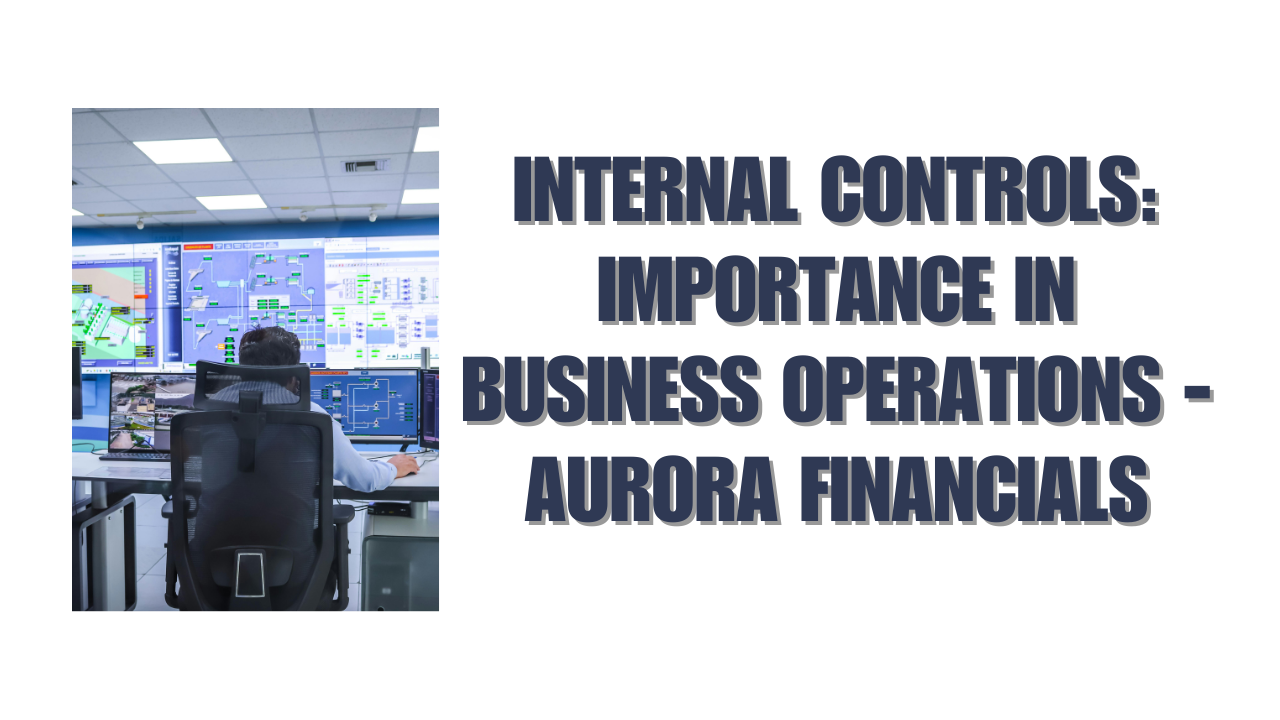
Internal controls are the foundations of financial integrity in every organization. The Sarbanes-Oxley Act of 2002 changed everything about internal controls. It created mandatory financial reporting reforms that protect investors from fraudulent accounting practices. These controls help organizations maintain accurate financial reporting, comply with regulations, and prevent fraud.
What are internal controls exactly? They’re processes that management and staff design, implement, and manage to provide reasonable assurance about achieving company objectives. Internal controls are crucial, but they have their limits. Human judgment errors or collusion can compromise them. Every employee plays a key role in building a strong internal control environment. This helps protect company assets, keep accurate records, and follow laws and regulations. Auditors use different types of internal controls that serve specific purposes – from preventing issues to detecting and fixing problems.
This piece will get into the Committee of Sponsoring Organizations of the Treadway Commission (COSO) framework. You’ll learn about testing methods for audit readiness and see practical examples to strengthen your organization’s control systems. Understanding these concepts will give you the tools to build robust internal controls that can stand up to financial audit scrutiny.
Understanding Internal Controls in Financial Auditing
A reliable internal control system builds financial strength. Organizations benefit from effective internal controls that promote accountability, protect assets, maintain financial data integrity, ensure compliance, and enable information to flow across the entity.
Definition and Purpose of Internal Controls
Internal controls are formally defined as “the process designed, implemented, and maintained by those charged with governance, management, and other personnel to provide reasonable assurance about the achievement of an entity’s objectives with regard to reliability of financial reporting, effectiveness and efficiency of operations, and compliance with applicable laws and regulations”. These controls consist of policies and procedures that ensure reliable financial statements.
Internal controls serve several key purposes:
- They protect organizational assets from fraud or major losses
- They ensure accurate and reliable financial reporting
- They optimize operations
- They help comply with laws and regulations
- They support better decisions through reliable information
What Are Internal Controls in Auditing?
Internal controls play a vital role in auditing. Auditors evaluate whether an organization’s internal controls can prevent or detect and correct material misstatements in financial statements. Common controls include bank reconciliations, password-protected accounting software, and inventory checks.
Auditors need to understand an organization’s internal controls to spot and assess the risk of material misstatements from fraud or errors. This knowledge helps them design proper audit procedures and determine how much testing they need.
COSO Framework: Five Key Components
The Committee of Sponsoring Organizations of the Treadway Commission (COSO) created the most accessible internal control framework. This framework, first released in 1992 and updated in 2013, includes five connected components:
- Control Environment – Management’s approach sets the “tone at the top” and shows their commitment to internal controls
- Risk Assessment – Teams identify and analyze risks that could affect their objectives
- Control Activities – Specific rules and procedures help carry out management’s directives
- Information and Communication – Systems help identify, capture, and share information
- Monitoring – Regular checks assess how well internal controls work over time
An effective control system needs all five components to work together. These components, along with 17 principles, are the foundations for designing an integrated control system that works.
Types of Internal Controls and Their Applications
Internal control systems work through three main types of controls. Each type plays a unique role in an organization’s financial management.
Preventive Controls: Access Restrictions and Approvals
The first line of defense comes from preventive controls that stop problems before they happen. These controls include segregation of duties in financial processes. No single person should control all parts of a transaction. Password protection and role-based permissions serve as vital preventive tools. The organization sets up standard documentation rules and requires approval for large financial transactions. Physical safeguards add strength to these controls by limiting access to inventory warehouses and cash vaults.
Detective Controls: Reconciliations and Inventory Counts
Detective controls help find issues early before they become major problems. Management teams spot unusual patterns through regular checks of account activity, reports, and reconciliations. Physical inventory counts are vital detective controls. Staff members who don’t handle purchasing or custody count the inventory and compare it to book records. This helps identify discrepancies quickly. It also lets departments learn about their control structures and check if business processes follow the rules.
Corrective Controls: Remediation and Policy Updates
Organizations use corrective controls to fix problems and prevent them from happening again. Companies must create plans to close control gaps and improve processes after they find financial misconduct. This means updating procedures based on audit results, running new training programs, and upgrading systems. Taking disciplinary action against misconduct is part of these measures. A company might change its policies to name just one example, see procurement issues that lead to required vendor rotation and conflict of interest statements.
Types of Internal Controls in Auditing: Operational vs Financial
Auditing internal controls split into two groups: operational and financial. Financial controls check monetary transactions and financial reporting standards. Operational controls look at how business functions perform. Financial audits check if financial data and statements are accurate. Operational audits look at production, supply chain management, IT systems, and customer service. These audits show how well processes work. Both types help improve business practices in different ways.
Common Limitations and Risk Factors in Control Systems
Even well-designed internal controls have inherent weaknesses. Organizations can build more resilient control systems by understanding these limitations. This knowledge also helps auditors with their risk assessment processes.
Collusion and Segregation of Duties Failures
Collusion poses a substantial threat that can neutralize internal controls. Employees who conspire to circumvent controls can bypass measures that would normally prevent fraud. The Association of Certified Fraud Examiners reports 51% of frauds were committed by two or more fraudsters working together. Cases with three or more perpetrators had a median loss of NZD 596,963.59 per case, which was much higher than solo frauds. Multiple participants can undermine the segregation of duties principle – the life-blood of effective internal controls.
Human Error in Manual Control Execution
Human error stands as one of the biggest weaknesses in control systems. Research shows human error leads to 30 – 90% of accidents in work environments. Oversight and mistakes can happen due to poor judgment, fatigue, misinterpretation, or lack of training. Errors typically include omissions, improper execution, and procedural violations. This becomes critical especially when you have manual reconciliation processes. Staff members may miss discrepancies that result in inaccurate financial reporting. Gartner’s research indicates poor data quality costs organizations an average of NZD 22.00 billion.
Unexpected Events and Control Gaps
Murphy’s law fits control environments perfectly – a single misjudgment can set off a chain reaction that isn’t obvious right away. External events can break down entire control frameworks though they’re hard to predict. Management override creates another serious risk because executives might manipulate financial records to hit short-term targets. Internal controls can fail against unforeseen circumstances despite being thorough. The best defense lies in maintaining departmental routines = regular control testing, proper procedures, and comprehensive internal audits.
Testing Internal Controls for Audit Readiness
Strong financial governance depends on rigorous control testing. Your organization can take two main approaches to test internal controls for audit readiness.
Control Design vs Control Effectiveness Testing
Control design testing reviews whether a control has the right structure to alleviate risks. This “point in time” assessment confirms if controls exist as claimed and can address specific risks. Effectiveness testing looks at how controls perform over time, typically looking back 12 months. Background check procedures serve as a good example – design testing might look at one recent hire, while effectiveness testing would sample multiple hires throughout the year.
Sampling Methods for Control Testing
Auditors can’t review every transaction, so they use sampling to test controls effectively. They use both statistical methods with specific percentages or software and non-statistical approaches based on professional judgment to pick representative transactions. Sample sizes often follow guidelines – two samples work for monthly controls, eight for weekly controls, and thirty for daily controls. Sampling helps business operations run smoothly, though it assumes controls work consistently.
Documenting Control Deficiencies and Remediation Plans
Design or operational failures that don’t catch misstatements create control deficiencies. Auditors label these as significant deficiencies or material weaknesses. Material weaknesses present a reasonable chance that material misstatements won’t be caught or prevented. Management and the audit committee must receive written communication about all deficiencies before financial statement release. A successful remediation plan needs root cause analysis, corrective actions, timelines, and responsible parties.
How Internal Controls Shape the Audit Strategy
Internal control quality directly affects audit scope. Auditors can reduce substantive testing when controls work well and control risk stays low. Weak controls need more extensive review of financial records. This relationship makes control testing a vital part of determining the nature, timing, and extent of audit procedures.
Conclusion
A solid grasp of both purpose and limitations is essential to build bulletproof internal controls. In this piece, we got into how these controls are the foundations for financial integrity and their inherent weaknesses. The effectiveness of internal control systems relies on all five COSO components that work together – control environment, risk assessment, control activities, information and communication, and monitoring.
Your organization needs a balanced approach. This means using preventive controls to stop problems before they occur. It also requires detective controls to spot issues quickly and corrective controls to fix weaknesses. Even with careful planning, certain limitations will challenge control systems. These include employee collusion, human errors in manual processes, and unexpected external events.
Testing becomes crucial because of these vulnerabilities. Companies should review both control design and effectiveness through proper sampling methods to stay audit-ready. A well-laid-out remediation plan shows your steadfast dedication to fixing identified problems.
Without doubt, strong internal controls shape audit scope and strategy directly. Auditors can reduce substantive testing at the time controls work effectively, which saves time and resources. Weak controls need more extensive review, which shows why prevention matters more than correction.
These concepts give financial professionals the tools to develop reliable internal control frameworks that stand up to audit scrutiny. Effective internal controls protect organizational assets and improve stakeholder confidence in financial reporting integrity.
FAQs
Q1. What are the five main components of internal control according to the COSO framework?
The COSO framework identifies five interrelated components: Control Environment, Risk Assessment, Control Activities, Information and Communication, and Monitoring. These components work together to create an effective internal control system.
Q2. How do internal controls impact the audit strategy?
The quality of internal controls directly influences the audit scope. Strong, effective controls can lead to reduced substantive testing, while weak controls may require more extensive examination of financial records. This relationship is crucial in determining the nature, timing, and extent of audit procedures.
Q3. What are some common limitations of internal control systems?
Common limitations include the risk of collusion among employees to bypass controls, human errors in manual control execution, and unexpected events that can create control gaps. These vulnerabilities highlight the importance of regular testing and updating of control systems.
Content Overview
About the Author: Jonathan Maharaj

Join The Financial Freedom Newsletter
Join Jonathan Maharaj’s Financial Freedom Newsletter and receive practical insights on wealth building, tax strategy, retirement planning, and long-term financial success. Designed for professionals, business owners, and investors who want to make smarter financial decisions.